Ever since my teenage years, I’ve dealt with those tiny, rough bumps on my upper arms. If you’re struggling with similar skin texture issues, you’re definitely not alone.
Keratosis pilaris often called “chicken skin” is a common, genetically influenced skin condition. While it’s completely harmless, it can feel frustrating, especially if smooth, even skin is your goal.
In this article, you’ll learn everything you need to know about keratosis pilaris: its causes, symptoms, and treatment options.
What is keratosis pilaris (chicken skin)?
Keratosis pilaris is a skin condition caused by a buildup of keratin a protective protein in the hair follicles. This excess keratin blocks the follicles, creating tiny bumps that give the skin a rough, uneven texture.
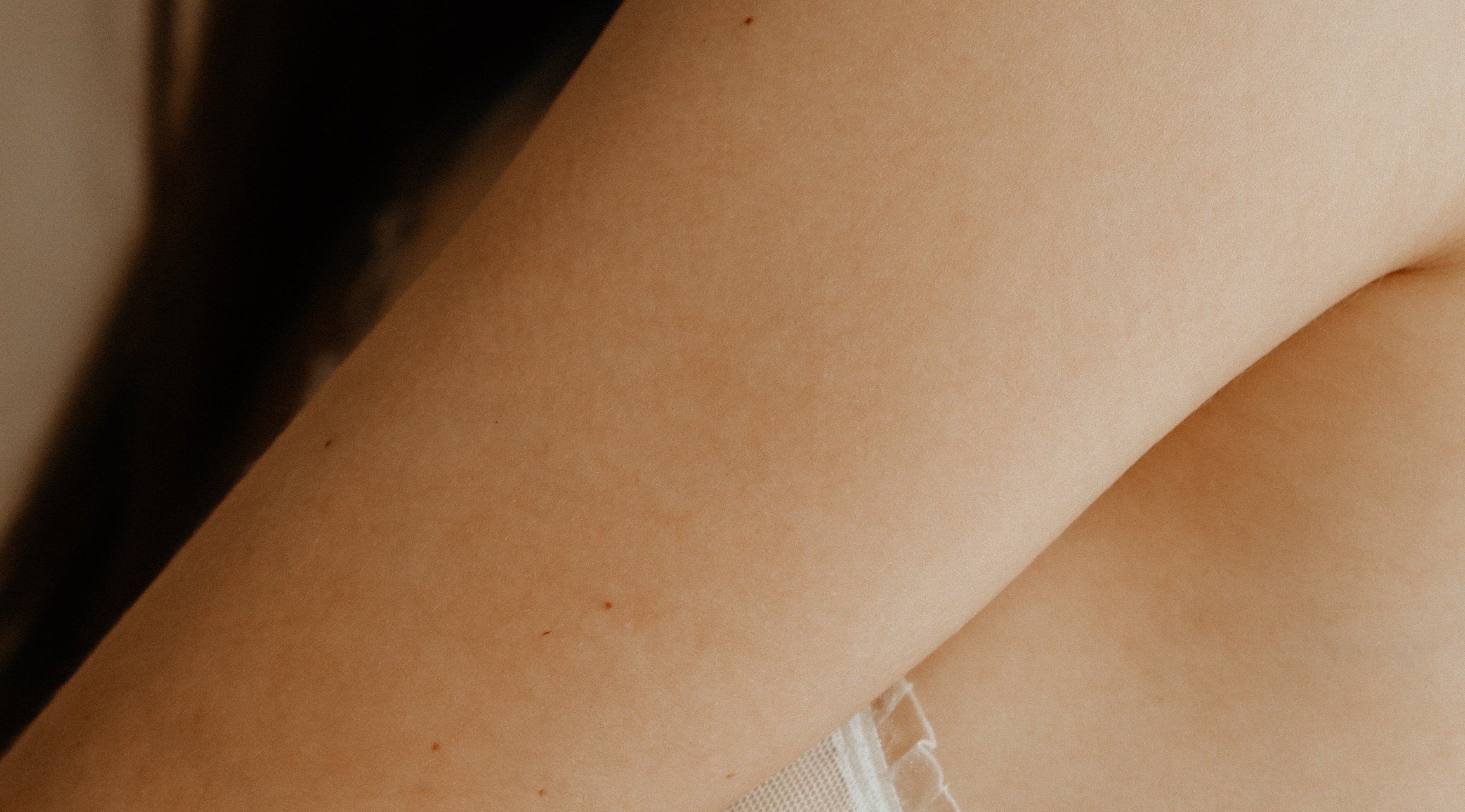
These keratin plugs lead to the characteristic grainy feel often compared to “goosebumps” or “sandpaper skin.” While these bumps are harmless and painless, they can affect the look and feel of your skin and sometimes impact confidence.

CAUSES OF RIPOTISSERIE - WHY DOES IT HAPPEN?
Why do some of us develop these rough, red bumps while others enjoy smooth skin? The exact causes aren’t fully understood, but research has identified several key factors:
GENETICS
Keratosis pilaris often runs in families. If close relatives have it, your chances are higher. Genetic factors influence keratin production and buildup, which can block hair follicles. People prone to eczema or atopic dermatitis are also at greater risk.
DRY SKIN
Dry skin can worsen keratosis pilaris. Low humidity in winter and indoor heating strip moisture from the skin, making it more vulnerable to keratin buildup and rough texture.
HORMONAL CHANGES
Hormonal fluctuations during puberty or pregnancy can trigger or worsen symptoms. Increased keratinization during these phases often leads to more noticeable bumps.
COLD AND DRY SEASON
Winter air and heating systems dry out the skin, weakening its barrier and intensifying symptoms.
DIET AND LIFESTYLE
A lack of essential nutrients especially vitamins A and E can make skin drier and more prone to keratin buildup. Stress and poor sleep can also negatively impact skin health.
TIGHT CLOTHING
Friction from tight or synthetic fabrics can irritate the skin and worsen keratosis pilaris.
SYMPTOMS – HOW TO RECOGNIZE KERATOSIS PILARIS?
Keratosis pilaris is easy to spot. Common signs include:
Sandpaper-like skin structure
Small, hard bumps give the skin a grainy feel, often compared to goosebumps.
SKIN-COLORFUL, RED PICKLES
Keratin plugs appear as tiny, flesh-toned or reddish bumps. In some cases, irritation or scratching can lead to dark spots or scarring.
OCCASIONAL ITCHING
Dryness can cause mild itchiness in affected areas.
AREAS AFFECTED
Upper arms (92%), thighs (59%), and buttocks (39%) are most often affected.
TREATMENT: WHAT HELPS?
Keratosis pilaris can’t be completely cured, but the right care can make a big difference. The goal is to smooth and hydrate the skin.
Conclusion
Keratosis pilaris is a common, harmless skin condition caused by keratin buildup in hair follicles. While genetics play a major role, factors like dry skin, hormonal changes, and cold weather can worsen symptoms.
With patience and the right skincare routine, you can significantly improve your skin’s texture and feel more confident
* Thomas, M. and Khopkar, S., 2012. "Keratosis pilaris revisited: is it more than just a follicular keratosis?" International Journal of Trichology, 4, pp. 255-258.




Leave a comment
This site is protected by hCaptcha and the hCaptcha Privacy Policy and Terms of Service apply.