

Article: Keratosis Pilaris Treatment: 3 Proven Tips for Smooth Skin
Keratosis Pilaris Treatment: 3 Proven Tips for Smooth Skin
You’ve tried so many things to get rid of those tiny, rough bumps on your arms or legs, but they just won’t go away? Your skin still feels uneven and rough, and all you want is smooth, soft skin?
In this article, you’ll learn how to treat and improve the symptoms of keratosis pilaris.
What is keratosis pilaris?

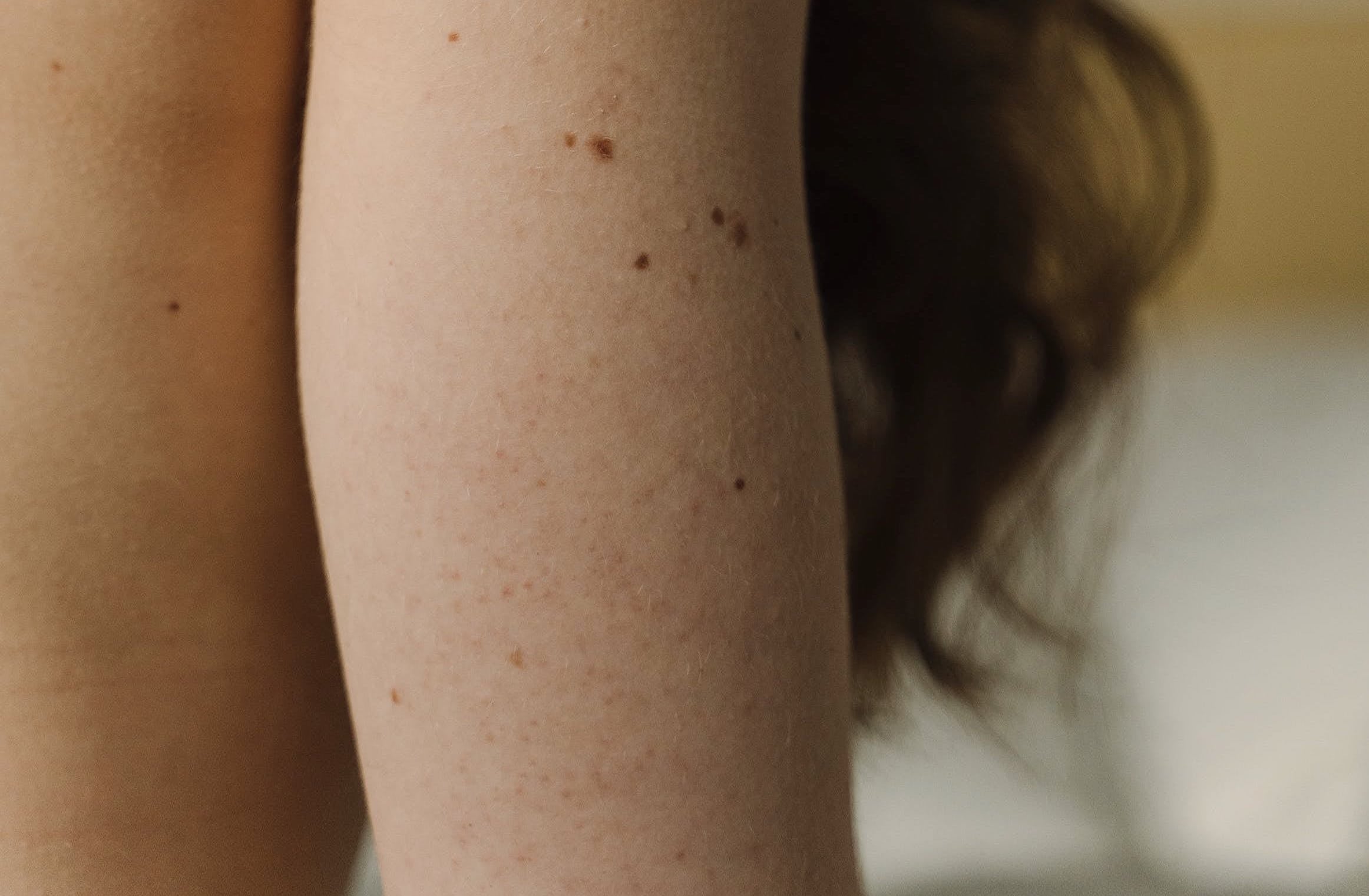
Those tiny, rough red or white bumps that appear on your upper arms or thighs are called keratosis pilaris. This harmless skin condition is caused by a buildup of keratin - a protein in the skin - that blocks hair follicles. This leads to small raised bumps that often feel dry and rough.
Since keratosis pilaris is a genetic condition, it can’t be completely cured. However, there are several methods to help treat keratosis pilaris and significantly improve your skin’s texture.
TREAT KERATOSIS PILARIS WITH THESE 3 EFFECTIVE TIPS
1. GENTLE CLEANSING
The Science Behind It

2. MOISTURIZING CARE
Moisturizing is the second essential step in treating keratosis pilaris. Dry skin makes the condition worse because the outer layer becomes even more dehydrated, intensifying the buildup of keratin. That’s why applying a hydrating cream regularly is so important.
Fragrance-free creams are best for keratosis pilaris since they help avoid redness, irritation, or allergic reactions.
When choosing products to treat keratosis pilaris, look for ingredients like lactic acid, salicylic acid, or urea. These act as keratolytic agents, meaning they break down dead skin cells on the surface and leave your skin smoother.
What do these ingredients do?
- Lactic acid : Provides gentle exfoliation while delivering hydration.
- Salicylic acid : Penetrates deeper into pores to help clear blockages.
- Urea : Also known as carbamide, it binds moisture to the skin and supports natural exfoliation.
Your skin loves moisture – so make sure to moisturize at least once a day. Our Smoothing Body Lotion with 2% salicylic acid not only deeply nourishes but also visibly smooths your skin.

3. LASER TREATMENT
Laser treatment requires patience, as multiple sessions are needed to see visible results. Maintenance treatments may also be necessary since keratin buildup can return over time. It’s best to discuss this option with a dermatologist or a laser treatment specialist.
Risks and costs
Laser treatment can be expensive and carry risks such as redness or temporary swelling. Prices vary depending on your skin condition and the number of sessions required. Make sure to research thoroughly and make an informed decision.
Conclusion
Improving keratosis pilaris takes time and a consistent skincare routine. There’s no quick fix, but with the right steps, you can gradually achieve smoother, softer skin. Consistency is key - from gentle cleansing to intensive hydration.
If you struggle with severe keratosis pilaris and have a larger budget, laser treatment can be a valuable addition to your skincare routine.
Try these tips and see how your skin improves step by step. I’d love to hear about your experience!


Leave a comment
This site is protected by hCaptcha and the hCaptcha Privacy Policy and Terms of Service apply.